
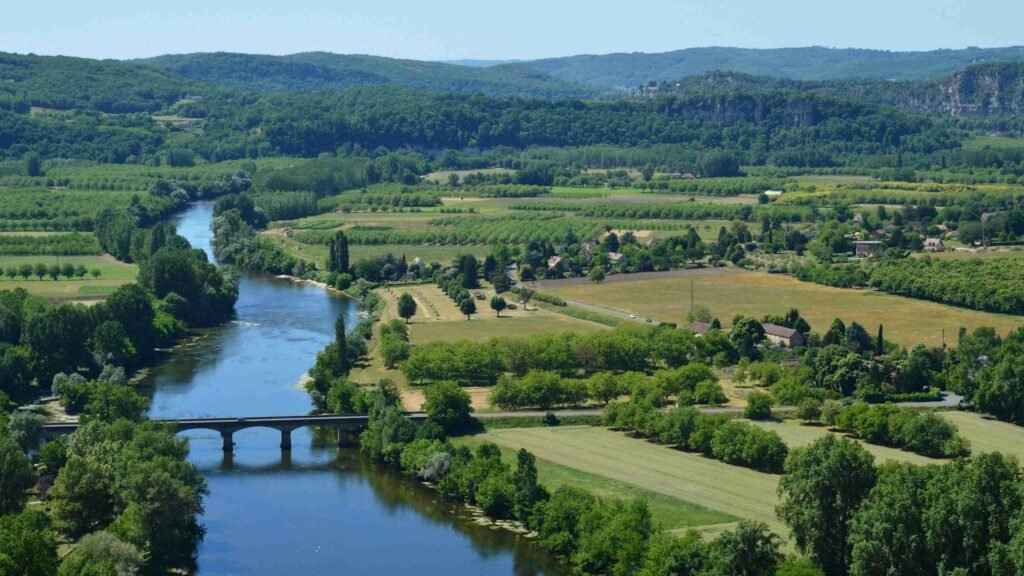
For many anglers, booking that first carp fishing holiday in France is a dream that’s been years in the making.
Weeks of anticipation, new tackle purchases, endless weather checks and hours spent watching videos of huge French commons and mirror carp all build excitement before the trip finally arrives.
Yet many first-time visitors unknowingly make mistakes that can seriously affect their chances of success—or simply make the holiday harder than it needs to be.
The good news is that almost all of these mistakes are completely avoidable.
Whether you’re heading to a well-established venue or one of Europe’s hidden gems, careful preparation will help you catch more fish, stay comfortable and enjoy every minute on the bank.
Here are ten of the most common mistakes anglers make on their first French carp fishing holiday—and how you can avoid them.
1. Choosing a Lake That’s Too Difficult
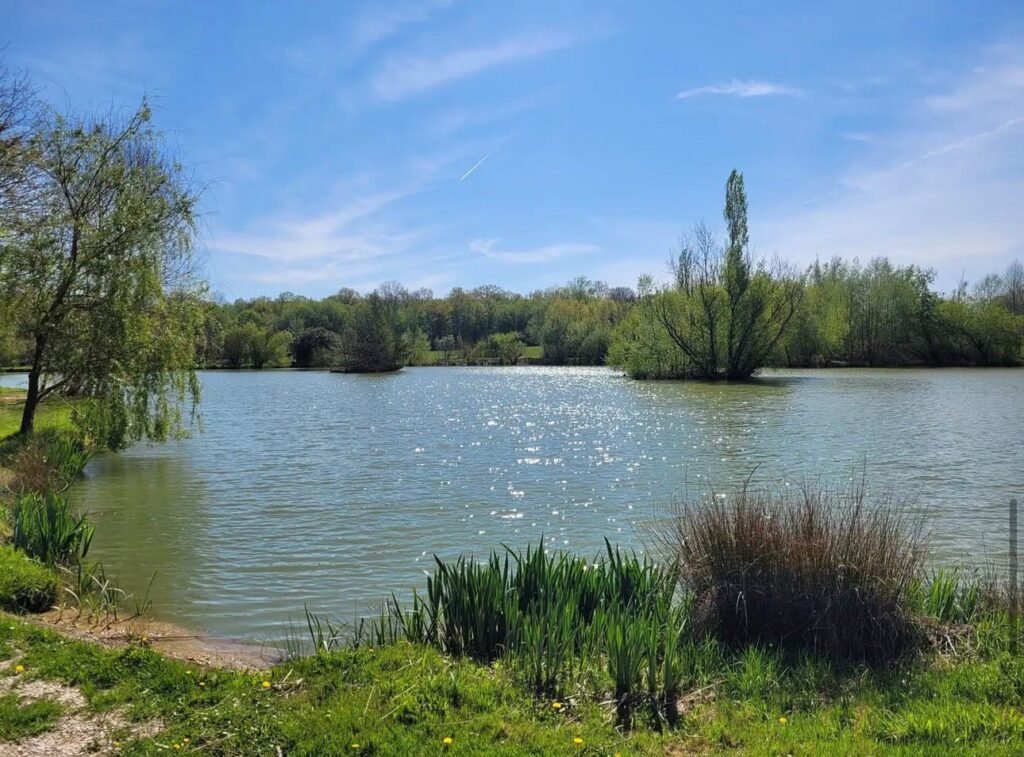
One of the biggest mistakes new visitors make is assuming that bigger fish automatically mean better fishing.
Many anglers are immediately drawn to lakes containing multiple 70lb or even 80lb carp without considering how challenging these waters can actually be.
Large, mature fish living in vast natural lakes often require:
- Advanced watercraft
- Accurate baiting strategies
- Confidence fishing at range
- Patience over long sessions
- Experience adapting to changing conditions
For someone making their very first trip abroad, this can become overwhelming.
Instead, look for venues that offer:
- Healthy stock levels
- Multiple carp over several weight brackets
- Comfortable swims
- Good facilities
- Helpful fishery owners
Building confidence on your first trip is far more rewarding than struggling for several days on an extremely difficult venue.
2. Taking Far Too Much Tackle
Almost every angler overpacks.
It’s understandable—you don’t want to leave anything behind.
The reality is that much of the equipment never leaves the bivvy.
Common examples include:
- Five different landing nets
- Multiple spare rods
- Boxes full of duplicate tackle
- Excessive clothing
- Large quantities of unused bait
- Unnecessary cooking equipment
Remember that every extra item has to be:
- Loaded into the vehicle
- Driven across Europe
- Carried into the swim
- Packed away again before heading home
A carefully planned tackle list usually results in a far more organised and enjoyable session.
Experienced travelling anglers often discover that less really is more.
3. Ignoring Travel Planning
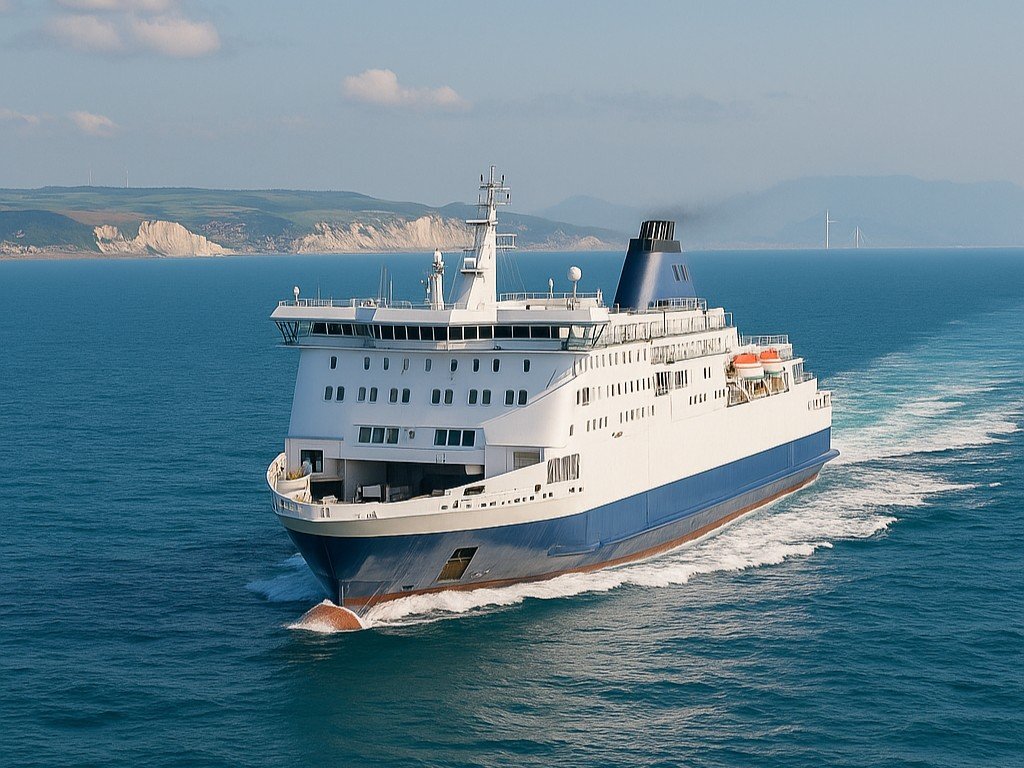
Many anglers focus entirely on the fishing and leave the travel arrangements until the final week.
This can create unnecessary stress before the holiday has even begun.
Think about:
- Ferry or Eurotunnel timings
- Driving distances
- Overnight accommodation if needed
- Toll roads
- Fuel stops
- European driving regulations
- Insurance
- Breakdown cover
- Local supermarkets
Having a clear travel plan means you’ll arrive relaxed rather than exhausted.
The fish will still be there when you arrive—but making poor travel decisions can easily cost you valuable fishing time.
4. Fishing the Wrong Swim Immediately
After arriving at the lake, excitement often takes over.
Many anglers simply choose the nearest available swim, set up immediately and cast within the first hour.
This is rarely the best approach.
Instead, spend time walking the lake.
Watch for:
- Rolling fish
- Bubbling areas
- Fish crashing
- Wind direction
- Bird activity
- Natural patrol routes
An hour spent observing can often save two or three wasted days fishing an unproductive area.
Patience before setting up frequently results in far more action later.
Planning Ahead Makes All the Difference
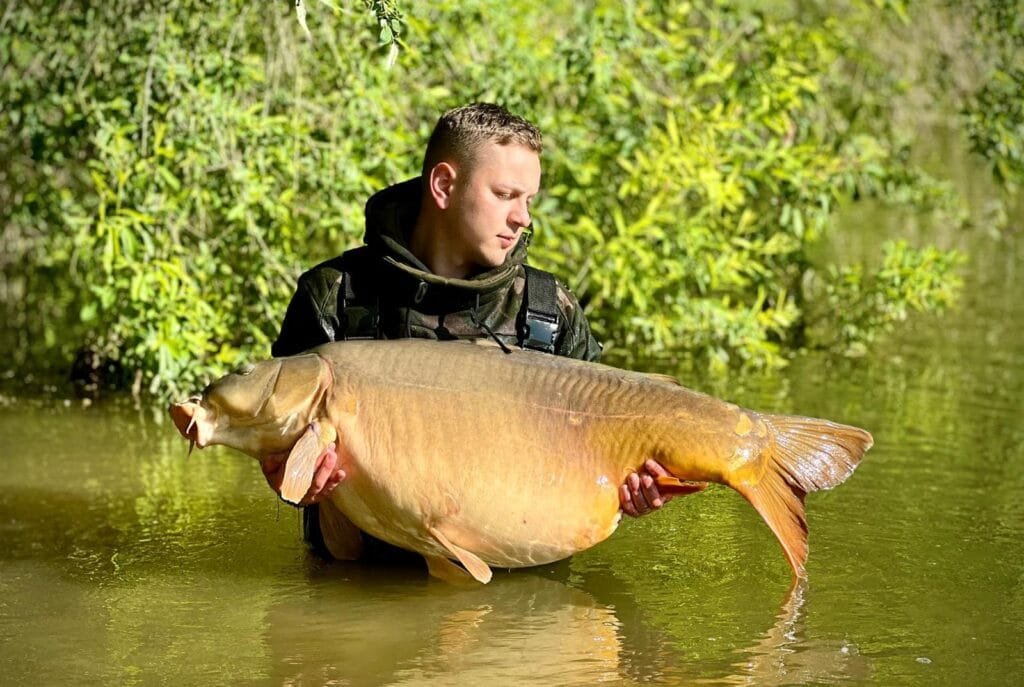
The best French carp fishing holidays are rarely successful because of luck alone.
They’re successful because anglers prepare properly before leaving home.
Choosing the right venue, travelling efficiently and making good decisions during the first few hours at the lake all contribute to a much more enjoyable experience.
In the second half of this guide, we’ll cover six more mistakes that regularly catch out first-time visitors—including baiting errors, poor weather preparation, overlooking local rules and forgetting one of the most important parts of any carp fishing holiday.
5. Underestimating French Weather Conditions
One of the most overlooked aspects of a first French carp fishing trip is just how quickly the weather can change—and how much it affects carp behaviour.
Unlike many UK waters, French lakes are often larger, more exposed, and more influenced by wind direction and pressure systems.
Common mistakes include:
- Packing only light summer clothing
- Not preparing for heavy rain or thunderstorms
- Ignoring wind direction when choosing a swim
- Fishing too far from wind-blown areas
- Failing to adjust tactics after a cold front
Carp in large French waters often follow wind-driven food movement, especially in warmer months. A strong wind blowing into your swim can completely transform your chances overnight.
Always prepare for:
- Hot daytime temperatures
- Cold nights (even in summer)
- Sudden rain showers
- Strong winds changing lake conditions
Flexibility is key. If the weather shifts, your approach should shift with it.
6. Using the Wrong Bait Strategy
Many anglers arrive in France with the same bait strategy they use at home—but large continental carp behave differently.
One of the biggest errors is overcomplicating bait choice.
Common issues include:
- Bringing too many different boilie flavours
- Switching bait too frequently
- Not bringing enough bait for long sessions
- Ignoring particle options
- Failing to match local bait preferences
On many French lakes, carp respond better to:
- Simple, consistent boilie offerings
- Well-prepared particles (where permitted)
- Steady baiting over time rather than big single hits
The key is confidence in a single approach.
If you constantly change bait strategy after a few hours without a bite, you may never allow the fish time to find your spot.
7. Not Understanding Lake Rules Properly
Every French carp lake is different, and rules can vary significantly between venues.
Some lakes are very relaxed, while others have strict regulations regarding:
- Number of rods allowed
- Type of rigs permitted
- Landing net requirements
- Boilie size restrictions
- Lead systems (lead-free or inline only)
- Bait limitations
- Fish handling procedures
A common mistake is assuming “all European lakes are the same.”
This can lead to:
- Lost fishing time correcting mistakes
- Confusion on arrival
- Unintentional rule breaches
- Disqualification from fishing certain methods
Always read the lake rules in detail before travelling.
If anything is unclear, ask the fishery owner in advance rather than assuming.
8. Poor Swim Organisation
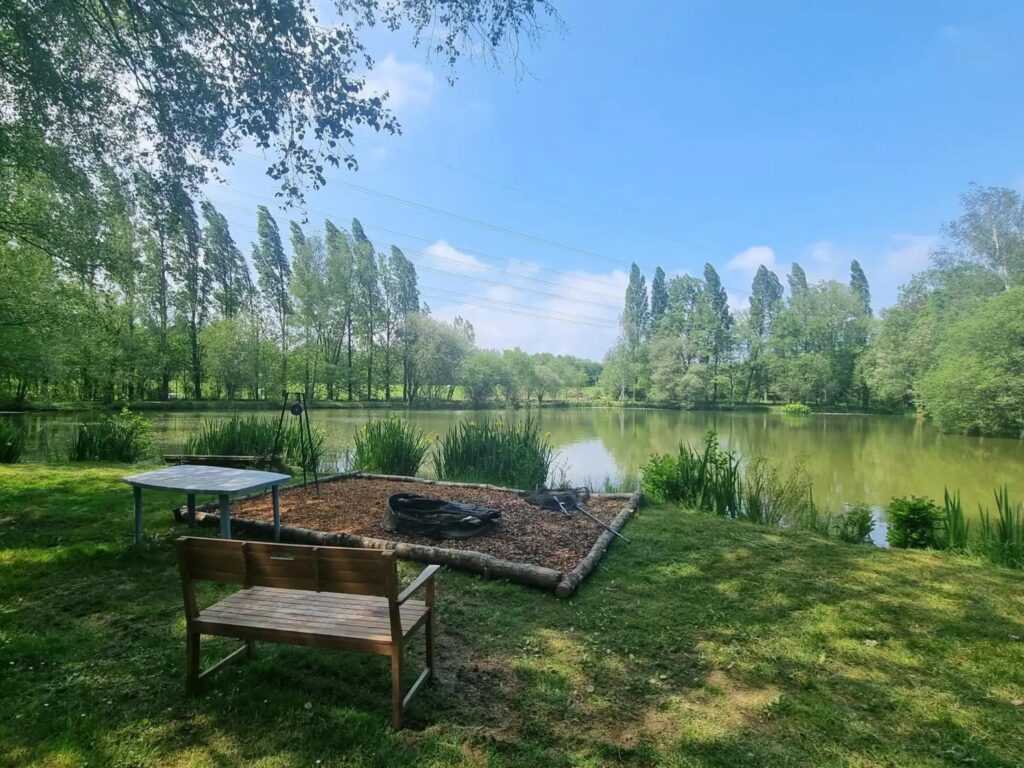
Once the rods are out, many anglers underestimate the importance of keeping their swim organised.
A cluttered swim leads to:
- Tangled lines
- Lost tackle
- Slow reaction times to bites
- Stress during night fishing
- Missed opportunities
On longer trips, organisation becomes even more important.
Good swim setup includes:
- Clearly defined rod positions
- Tidy baiting areas
- Accessible tackle storage
- Safe walkways for night movement
- Proper lighting for dark hours
A well-organised swim allows you to focus entirely on fishing rather than constantly searching for equipment.
9. Ignoring Local Knowledge
One of the biggest advantages of fishing in France is access to experienced lake owners and on-site advice.
Yet many anglers ignore this completely.
Lake owners often know:
- Where fish have been showing recently
- Which swims are producing bites
- Best bait approaches for current conditions
- Seasonal fish movement patterns
- Pressure points on the lake
Ignoring this information is a missed opportunity.
Even a simple conversation on arrival can save days of trial and error.
Always be open to advice—you are fishing a new environment, and local knowledge is incredibly valuable.
10. Forgetting to Enjoy the Experience
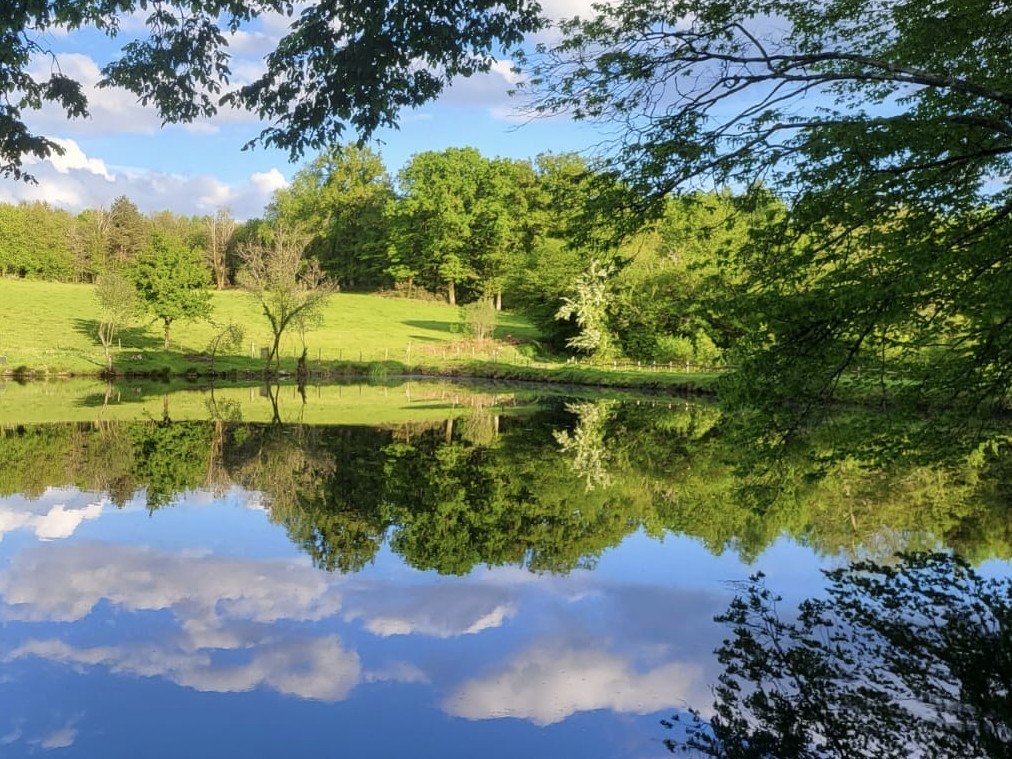
Finally, one of the most important mistakes is purely mental.
Some anglers become so focused on catching that they forget to enjoy the surroundings.
A French carp fishing holiday is about more than numbers.
It’s about:
- Peaceful early mornings on the bank
- Long evenings watching the water
- Cooking outdoors by the swim
- Time away from daily routine
- Experiencing new waters and wildlife
Even if the fishing is slow, the experience itself is valuable.
The most successful trips are often remembered not just for the fish caught—but for the entire atmosphere and time spent on the water.
Final Thoughts
Avoiding these common mistakes can dramatically improve your first French carp fishing holiday.
Preparation, simplicity and adaptability are the foundations of success.
Fish respond to anglers who think calmly, adapt to conditions, and avoid unnecessary complications.
With the right approach, your first trip can easily become the start of many more adventures across Europe.
Ready to plan your own French carp fishing holiday?
Explore available lakes, check availability, and book your next adventure through Angling Paradise today.