
When searching for your next carp fishing holiday, you’ll probably spend quite a bit of time looking at fish weights.
A lake record of 60lb, an average weight of 30lb or a stock containing hundreds of carp can certainly catch your attention. But what do those figures actually tell you about the fishing?
Understanding a lake’s fish stock is one of the most important parts of choosing the right venue. It helps you work out whether a lake offers the sort of fishing you enjoy, whether your target weight is realistic and what you might expect during your holiday.
However, there’s more to a stocking list than simply looking for the biggest number.
Here’s what you should consider before booking your next carp fishing adventure.
1. Don’t Judge a Lake by Its Record Fish Alone
A lake record is usually the first figure that catches an angler’s attention.
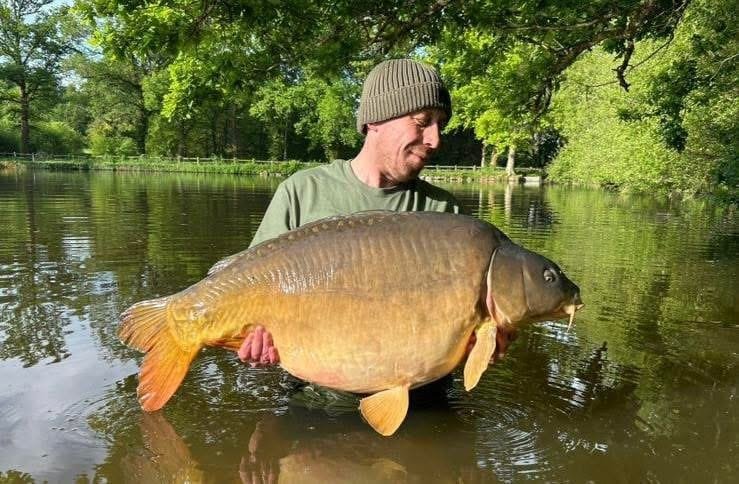
If a venue advertises carp over 60lb, it’s understandable that you’ll want to know more. But a lake record only tells you about its biggest known fish. It doesn’t necessarily tell you how frequently anglers catch large carp or what the rest of the stock looks like.
For example, a lake might have one exceptional specimen but relatively few other large fish. Another venue might have a strong head of 30lb, 40lb and 50lb carp, offering a different type of fishing experience.
Both could be excellent venues, but they appeal to different expectations.
Look beyond the headline weight and find out what else lives in the lake.
2. Understand the Average Weight
Average weight is another useful figure when comparing fishing venues.
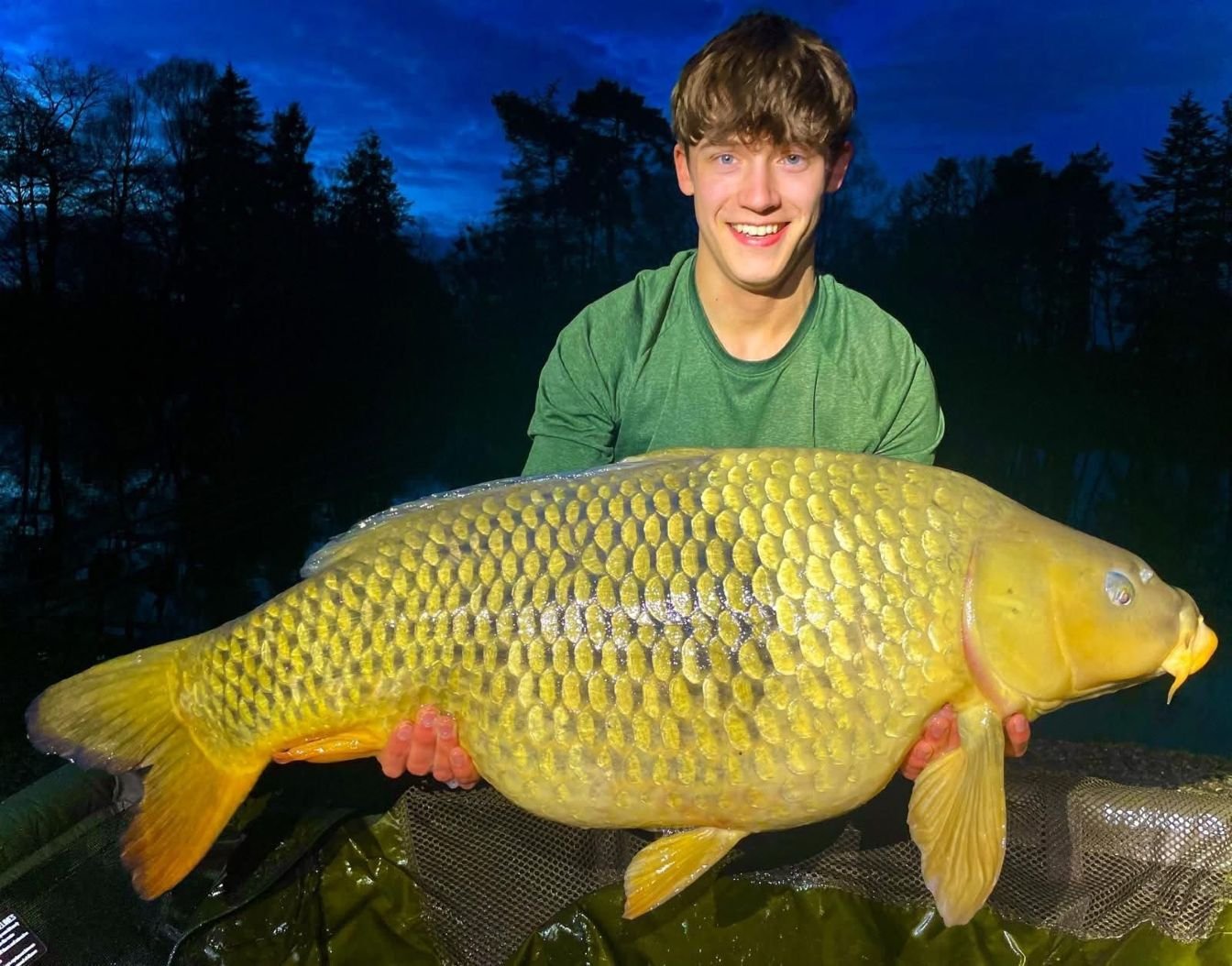
If a lake has an average carp weight of 30lb, it gives you an indication of the general size of its stock. However, it doesn’t mean every fish will weigh around 30lb.
There may be carp weighing considerably less, alongside others that are much larger.
It’s also worth remembering that averages can change as fish grow, new carp are introduced or smaller fish are removed as part of stock management.
An average weight should therefore be treated as a useful guide rather than a guarantee of what you’ll catch.
If you’re unsure, ask the fishery owner how recently the information was updated.
3. Look at How Many Carp Are in the Lake
The total number of carp can help you understand the type of fishing a venue offers.
A lake containing 300 carp across 15 acres is very different from a smaller water holding 80 carp across three acres.
Stock density can influence how anglers approach the fishing, but it shouldn’t be considered in isolation.
Lake size, depth, natural food, features, fishing pressure and management all play a part.
Some anglers prefer waters with a higher stock density because they enjoy regular action. Others would rather fish a lower-stocked specimen lake where every bite could be a special fish.
Neither approach is better. It’s about choosing the experience you want.
4. Check the Number of Fish in Different Weight Brackets
One of the most useful things a fishery can provide is a breakdown of its stock by weight.
Rather than simply advertising a lake record, look for information showing how many carp are believed to be in different weight brackets.
For example:
- How many carp are over 20lb?
- How many are over 30lb?
- Is there a good head of 40lb fish?
- Are there any known 50lb or 60lb specimens?
This gives you a much clearer picture of the opportunities available.
If your target is a 40lb carp, a venue with a healthy number of fish over that weight may be more appealing than one advertising a single 60lb record.
Of course, stock figures are only as accurate as the information available to the fishery, so it’s always worth checking how they are maintained.
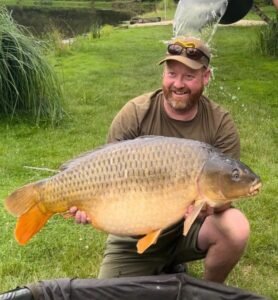
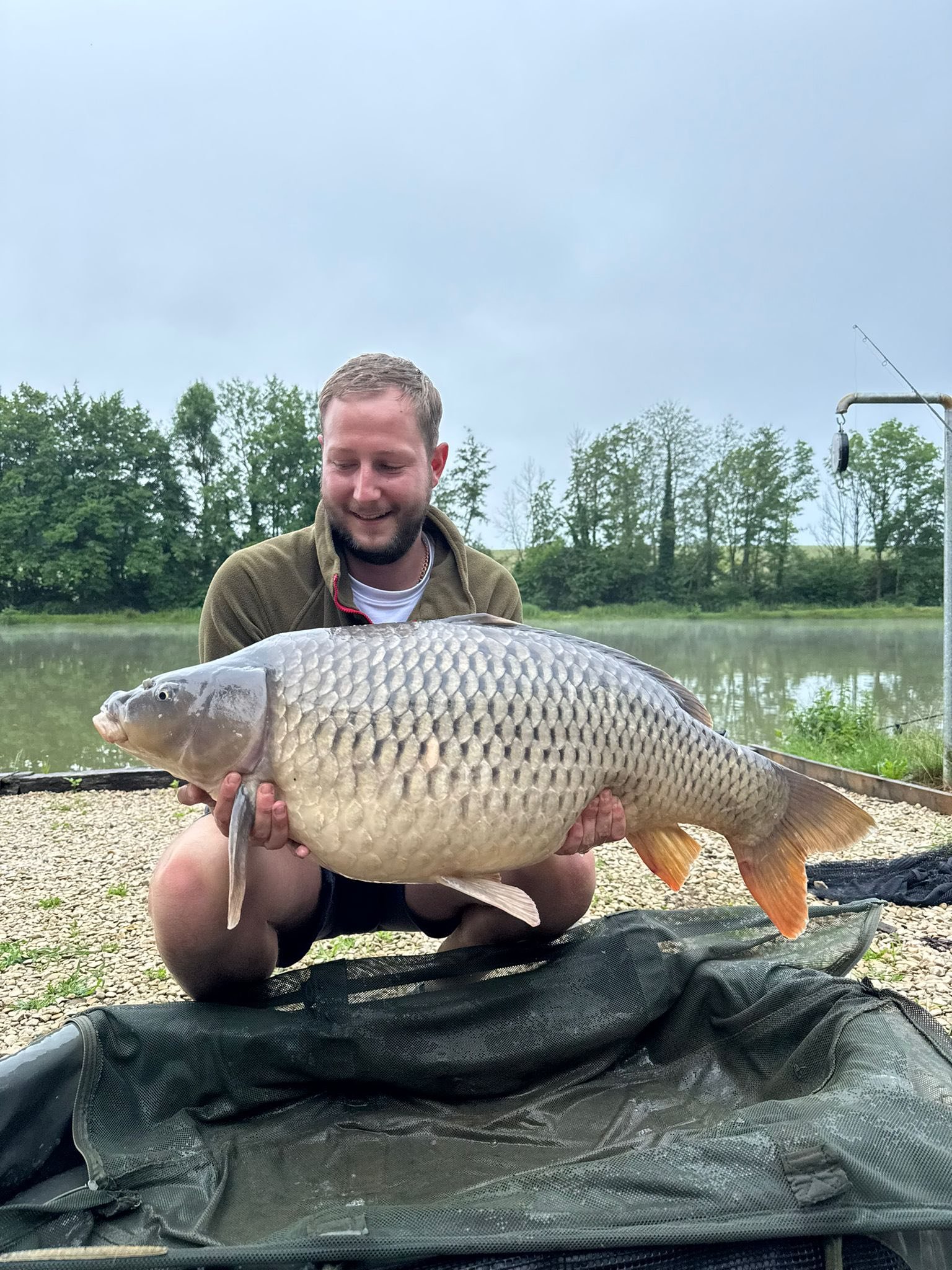
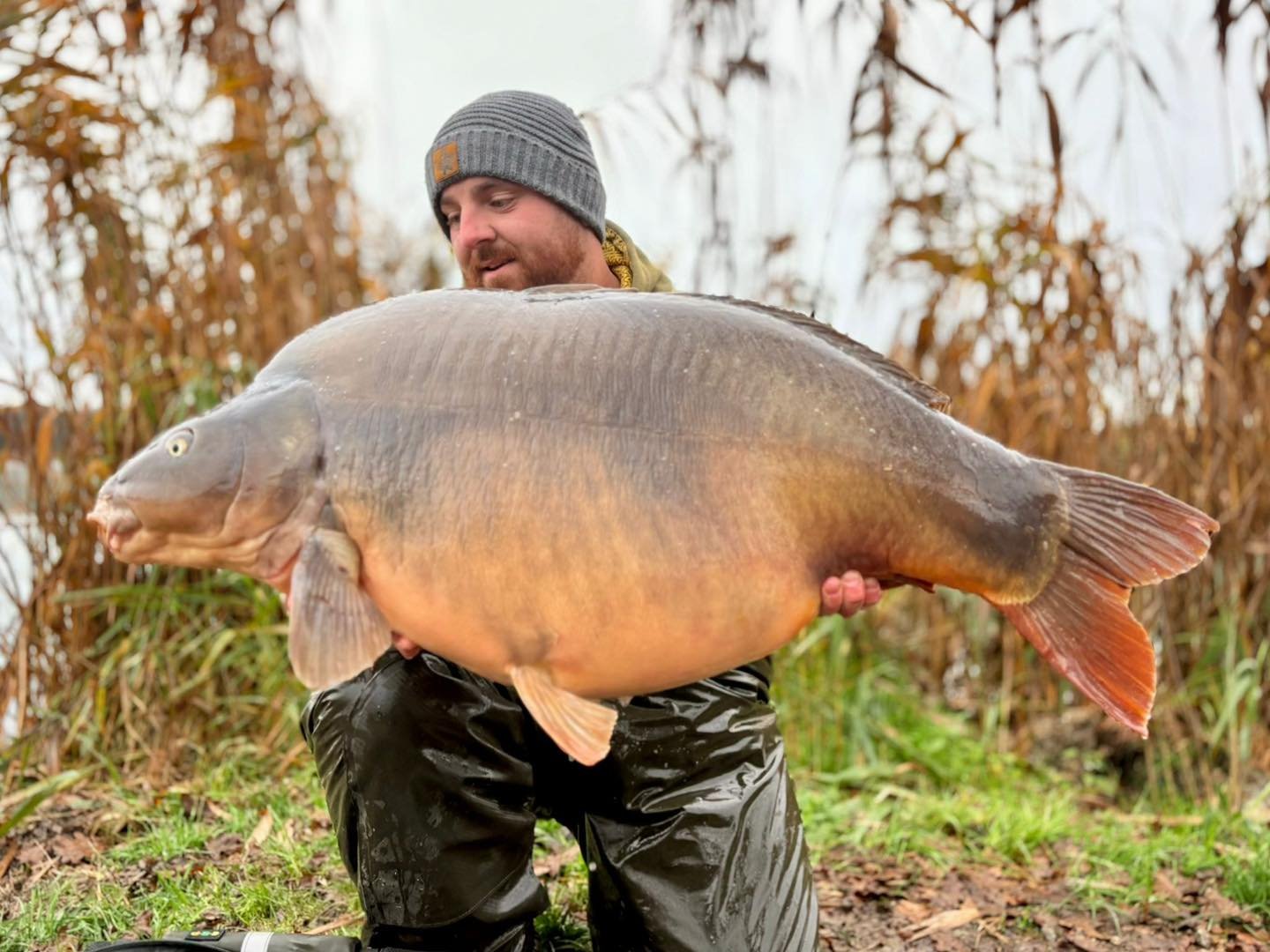

5. Read Recent Catch Reports
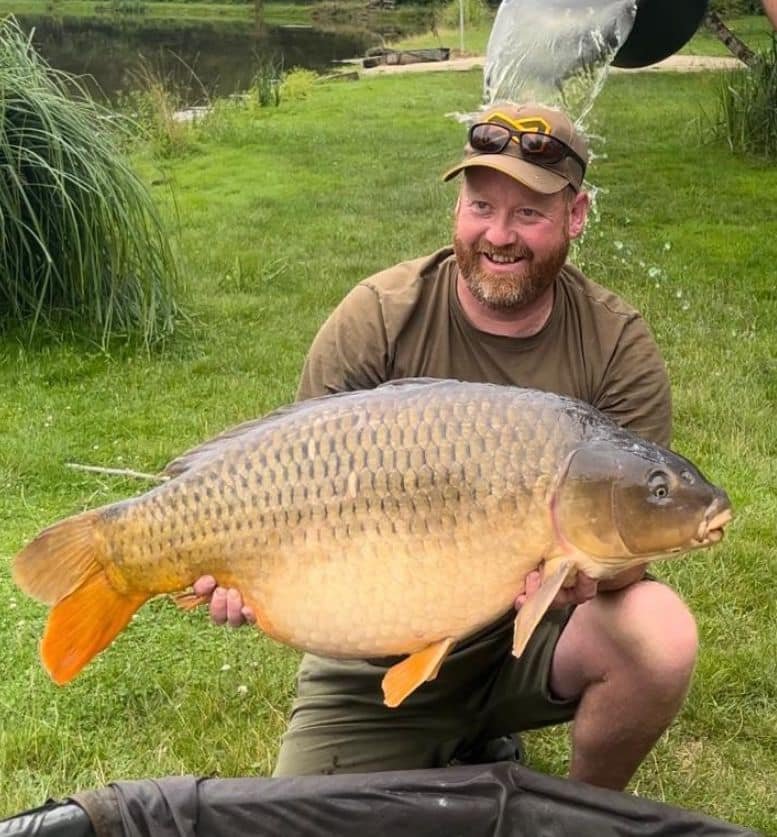
Stocking information tells you what’s believed to be in the lake. Catch reports help show what anglers are actually catching.
Recent reports can reveal:
- How frequently carp are being caught.
- The range of weights appearing in catches.
- Whether larger specimens are being landed.
- Which times of year are producing good results.
- Whether different swims are producing fish.
Look for consistent information rather than concentrating on one exceptional week.
A single photograph of a huge carp is exciting, but several weeks of catch reports can provide a much better understanding of the fishing.
It’s also useful to check the dates. A catch report from several years ago might no longer reflect the current stock or fishing conditions.
6. Are the Fish Growing?
A well-managed carp lake can change considerably over time.
Fish may gain weight as they mature, and carefully planned stocking programmes can strengthen the overall quality of the stock.
Some fisheries use fish identification systems or microchips to monitor individual carp. This can help owners follow growth rates, identify repeat captures and maintain more accurate records.
When researching a venue, look for evidence of ongoing stock management rather than relying entirely on an old stocking list.
A lake that is carefully managed today could offer very different fishing opportunities from when it first opened.
7. Don’t Forget the Mix of Mirrors and Commons
Another detail worth checking is the type of carp in the lake.
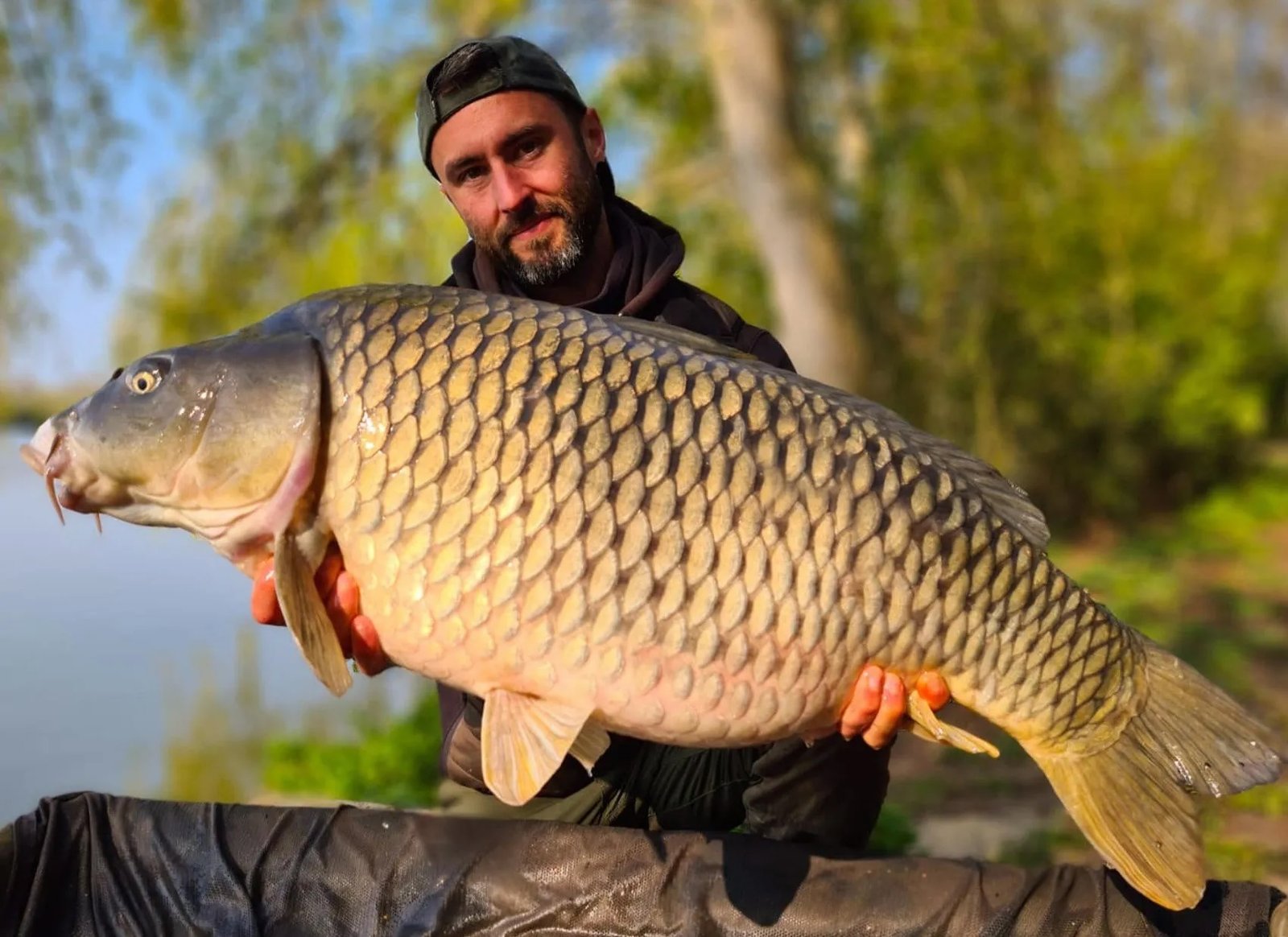
Some anglers have a particular preference for mirrors, while others love catching big commons. Many venues offer a mixture of both.
You might also find fully scaled mirrors, linear carp, leather carp, koi and other varieties.
If you have a particular target in mind, check whether the venue holds the type of fish you’re hoping to catch.
It can also be worth looking through the fishery’s gallery. Photographs often give you a better idea of the quality, appearance and variety of the stock.
8. Ask the Fishery Owner Questions
If the information on a venue’s website doesn’t answer everything, don’t be afraid to ask.
Fishery owners are usually the best people to explain their stock and the type of fishing you can expect.
Useful questions include:
- When was the stock information last updated?
- Are the average weights based on recent captures?
- How many known fish are over your target weight?
- Has the lake been restocked recently?
- Are catch reports available from previous seasons?
- Are there any particular challenges anglers should know about?
A good fishery should be happy to explain what makes its water special while also being realistic about the fishing.
Remember, nobody can guarantee you’ll catch a particular fish during a week’s holiday.
9. Choose the Stock That Suits Your Fishing
Ultimately, the best carp lake isn’t necessarily the one with the biggest record or the highest average weight.
Think about what would make your holiday successful.
Would you rather have regular action and the chance of several carp during the week? Are you hoping to catch your first 40lb fish? Or are you prepared to wait for the opportunity to land a genuine European specimen?
Your answers should influence the type of venue you choose.
At Angling Paradise, you can explore a variety of carp fishing lakes across France and Europe, including runs waters, big carp venues, exclusive lakes and waters offering a mixture of fishing opportunities.
Compare the fish stocks, read the venue information and look at the facilities before deciding where to book.
Final Thoughts
A lake record might get your attention, but it’s the overall fish stock that tells a much bigger story.
Look at average weights, numbers of carp in different weight brackets, recent catch reports and evidence of good fishery management.
Most importantly, choose a venue that matches your expectations rather than simply chasing the biggest number advertised.
Do a little research before booking, ask questions and make sure you understand what the lake offers.
Then you can arrive knowing you’ve chosen a venue that gives you the best opportunity to enjoy the fishing you want.
Look beyond the lake record. Understand the stock. Find your next fishing adventure.
👉 Explore carp fishing lakes across France and Europe at Angling Paradise.