
Introduction
You’ve arrived at your carp fishing holiday in France. The lake looks fantastic, the equipment is ready and there’s a whole week of fishing ahead.
But there’s one important decision to make before you start setting up: which swim should you choose?
It’s tempting to head straight for the most attractive-looking spot, or perhaps the swim where somebody caught a big carp last week. But the best choice isn’t always the most obvious one.
Taking a little time to watch the water, understand the lake and consider the conditions can make a real difference to your fishing.
Here are some things to look for when choosing your next carp fishing swim.
1. Spend Time Watching the Water
One of the biggest mistakes anglers can make is rushing to get their rods out before they’ve properly looked around.
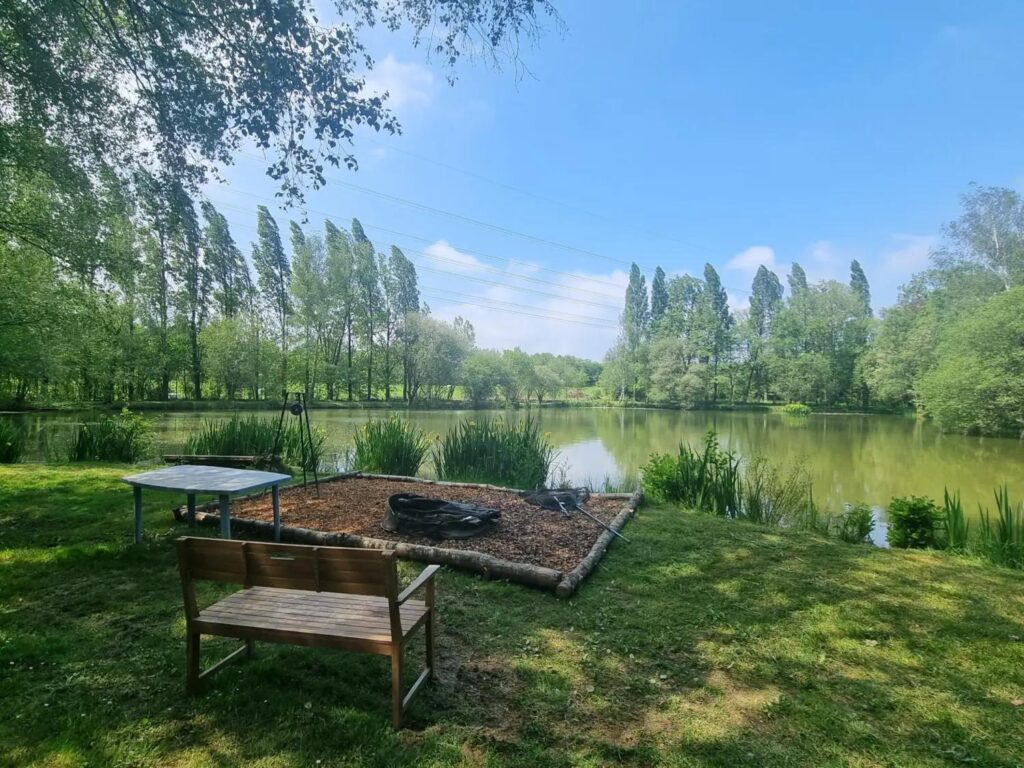
When you first arrive, take a walk around the lake if the venue allows it. Watch for shows, bubbling, moving fish and signs of activity in the margins.
A carp showing repeatedly in one area could be worth investigating. You might also notice fish moving between different parts of the lake or feeding in shallow water.
Don’t assume that because you can’t see any fish, there aren’t any there. Carp can be surprisingly difficult to spot, particularly in deeper or coloured water.
The important thing is to gather as much information as possible before committing to a swim.
2. Look for Features and Natural Food
Carp rarely move around a lake without reason. Features and natural food sources can influence where they spend their time.
Depending on the venue, look for:
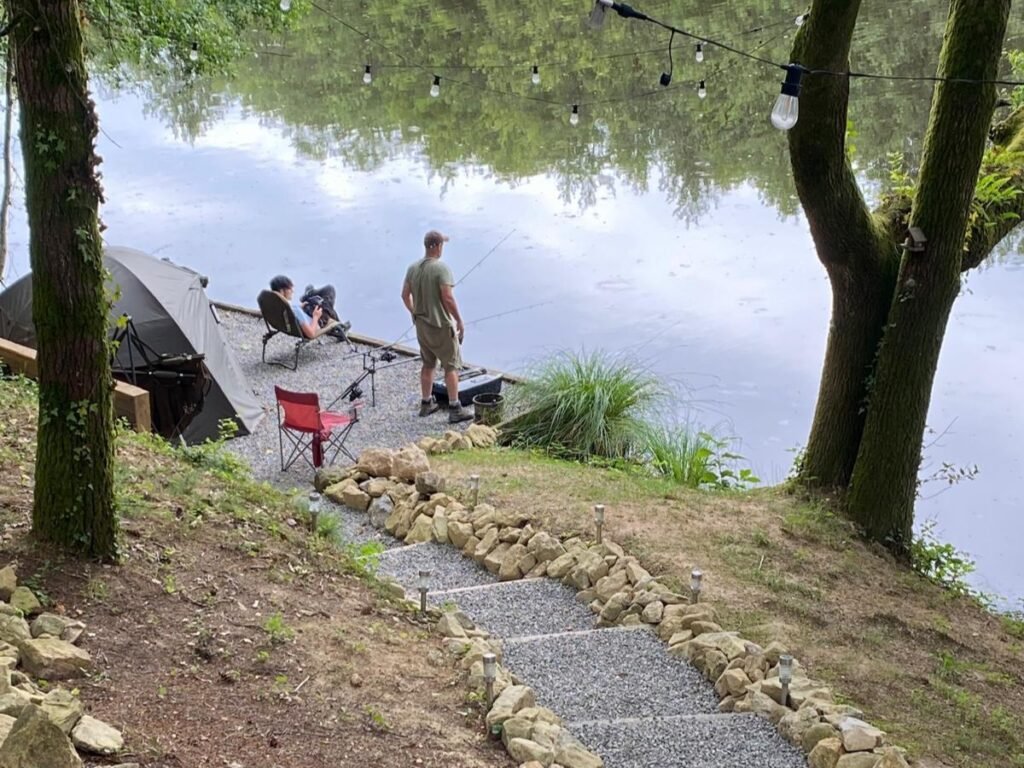
- Overhanging trees and bushes.
- Reed beds and marginal vegetation.
- Gravel bars and changes in lakebed depth.
- Islands and underwater obstructions.
- Areas where natural food may collect.
These features can provide shelter, food or comfortable holding areas.
However, don’t assume every feature will automatically produce fish. A prominent island might look perfect, but the carp could be feeding somewhere completely different.
If you can see signs of feeding activity, that’s often more useful than simply choosing the most attractive-looking feature.
3. Pay Attention to the Wind
Wind is another important factor when choosing a swim.
A change in wind direction can influence where carp move, particularly when it pushes warmer water, natural food or floating debris towards one end of the lake.
A swim receiving the wind might therefore be worth considering, but it isn’t a guaranteed hotspot.
Water temperature, season, lake depth and the fish’s existing behaviour all play a part.
Rather than automatically choosing the swim at the end of the lake where the wind is blowing, look for signs that the carp are actually using that area.
4. Understand the Lake’s Depth and Layout
Not every swim offers access to the same type of water.
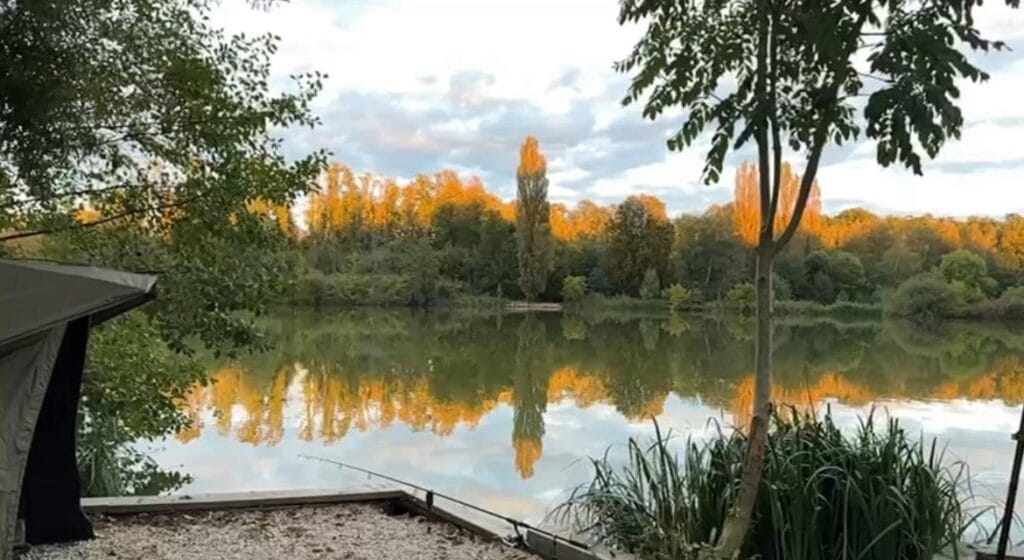
Some might overlook shallow margins, while others give you access to deeper areas, plateaux or changes in lakebed depth.
These differences can influence where carp spend their time, depending on the conditions and time of year.
If the fishery provides a lake map or information about depths and features, take a look before choosing.
Even without detailed information, watching the water and speaking to the fishery owner can help you understand how the lake is laid out.
Remember, the deepest part of the lake isn’t automatically the best place to fish. Carp can spend plenty of time in surprisingly shallow water.
5. Consider the Other Anglers
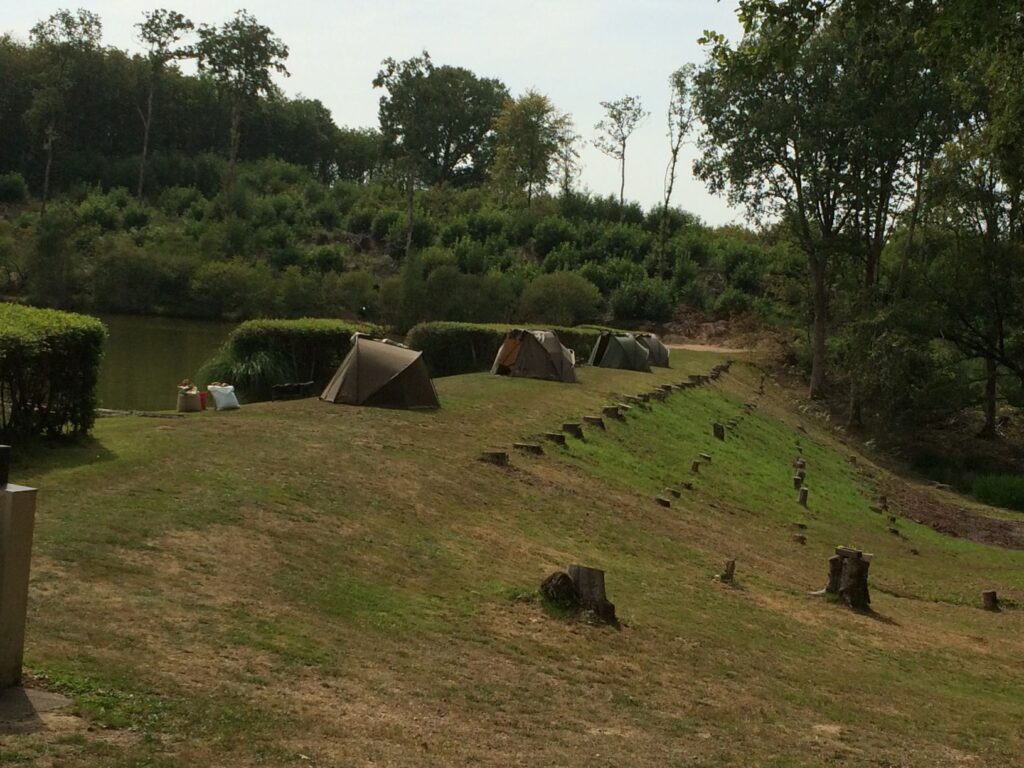
If you’re fishing an individual swim on a busy venue, take a moment to consider where the other anglers are positioned.
Look at the areas of water each swim can comfortably cover and avoid choosing a spot that creates unnecessary problems with neighbouring anglers.
Good swim selection isn’t just about finding fish. It’s also about respecting other people’s fishing and making sure everyone has enough space.
On a lake exclusive booking, you may have much more flexibility, particularly if you’re fishing with friends. Even then, it’s worth discussing how you’ll share the water before setting up.
6. Don’t Choose a Swim Just Because of Its Reputation
Every fishery seems to have a swim that anglers talk about.
Perhaps it has produced the lake record, regularly features in catch reports or is considered the place to be during a particular month.
That history is worth knowing, but it shouldn’t make your decision for you.
A swim that produced several big carp last week might not be the best choice today. Conditions change, fish move and feeding areas can vary.
Use previous catches as useful information, not as a guarantee.
Sometimes the swim that looks less popular can offer a much better opportunity if the fish are showing in front of it.
7. Think About Comfort and Practical Access
You might find a swim with plenty of promising features, but is it somewhere you’ll enjoy spending the week?
Consider the space available for your bivvy, the ground conditions, access to the water and how easily you can organise your equipment.
If you’re fishing for several days, practical details matter.
A comfortable swim with good access can make the holiday more enjoyable, particularly if the weather changes or you’re fishing with a lot of equipment.
This is another reason to look at the venue information and photographs before booking, rather than assuming every swim will be the same.
8. Be Prepared to Change Your Mind
Choosing a swim doesn’t mean you have to stick rigidly to your original plan.
If the carp start showing somewhere else, the wind changes or you notice consistent feeding activity in another area, it may be worth reconsidering your approach.
Of course, moving swims isn’t always possible. Some fisheries allocate swims in advance, and others have rules about when and where anglers can move.
Always check with the fishery owner before making changes.
Even if you can’t move, you can still adapt your fishing by changing casting positions, bait placement or the areas you’re targeting within your permitted water.

Make the Most of Your First Few Hours
The first few hours at a new lake can be incredibly valuable.
Rather than rushing to get everything set up, take time to understand your surroundings, watch for signs of fish and ask the fishery owner for any useful local information.
You don’t need to overcomplicate things. A little observation and a sensible swim choice can give you a much better starting point.
And remember, you’re on holiday. Enjoy the surroundings, take in the scenery and don’t let the pressure of catching a big carp spoil the experience.
Final Thoughts
Choosing the right carp fishing swim is about more than finding a comfortable place to put your bivvy.
It’s about understanding the lake, watching the fish, considering the conditions and making an informed decision.
The most popular swim isn’t always the best, and the biggest feature doesn’t necessarily hold the most carp.
Take your time, trust what you observe and be prepared to adapt.
Watch the water. Read the conditions. Find the fish.
👉 Explore carp fishing lakes across France and Europe at Angling Paradise and start planning your next fishing adventure.